Michaela Coel’s mini-series has been called one of the best shows in the 21st century for giving a voice to survivors, art and Black communities.
Trigger warning: the following article discusses a TV series that revolves around the topic of sexual assault and trauma.
For folks who have not seen I May Destroy You, this article alludes to some spoilers. Although, if you are wondering why you should watch this show, you can skim the headlines to know why it is a must-watch.
Trauma is a topic that a person can really only understand if they have experienced it. When a person has trauma, their mind takes them back in time and changes their current perception of what is happening, it sounds scary because it is.
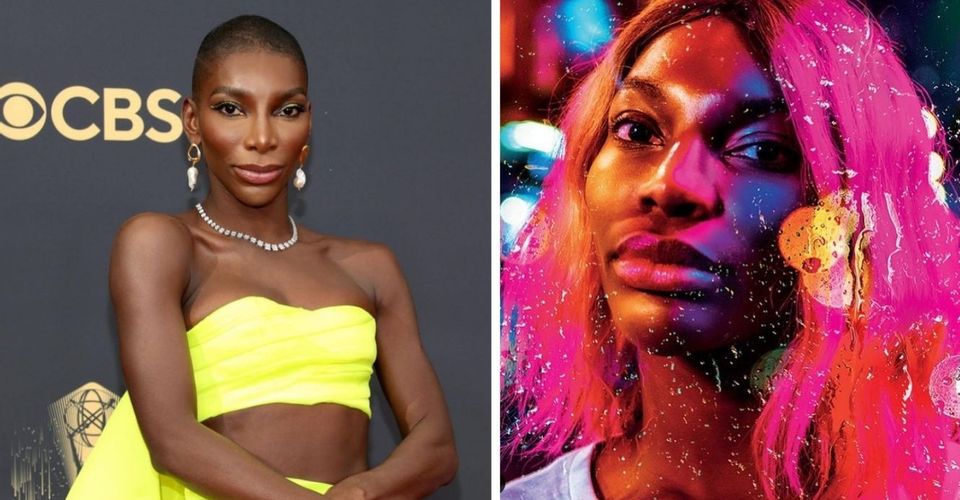
While this is hard to visualize, Michaela Coel achieves showing audiences what it feels like through her Emmy award-winning show I May Destroy You, on HBO.
Coel who is the complete mastermind behind the show also stars as a version of herself in the series, Arabella who is a writer. Throughout the series, strange things happen to Arabella that she can’t explain or put words to and through incredible cinematic storytelling it is unveiled that she is grappling with a sexual assault that she does not recall.
The series is more than a conversation about consent, BBC’s Culture Pole is calling it one of the greatest series of the 21st century for its boundary-pushing depiction of the intersection of race, trauma and starting over in the most artistic and radical way.
The funny yet grappling storytelling is made clear in every episode of the mini-series.
The Plot

Arabella is named a Millennial icon through her successful book and social media presence. At the height of her writing career and working on a second book, she takes a break and goes out with her friends.
The following morning she struggles to remember what happened to her, although her two friends Terry and Kwame help her out.
This is just the beginning and the premise of the show, each episode takes place in a unique time and place over the course of a year and unravels various aspects of sex culture outside of blatant assault that is considered grey areas such as not revealing something to a partner or coercion.
These non-consensual aspects happen to Arabella and her friends, bringing the point of assault away from the main character and bringing it into a greater conversation about what is happening to society and everyone.
The time course is also important because an assault doesn’t just happen, a survivor lost something and struggles to get it back. Seeing that struggle to recover after trauma as the central point of the show is what makes it stand out from various other series that touch on the topic of assault.
This isn’t a show about what happened, it is about a realistic depiction of recovery.
Coel Brought Her Narrative To The Stage

Coel who won many awards for her writing on the mini-series has spoken out on several occasions about facing racial discrimination in the industry for her work, and not receiving recognition or help from colleagues on her previous series Chewing Gum.
At a writing conference, she spoke out for the first time about being sexually assaulted, for which Arabella’s story is loosely based and the trauma faced by her in her industry and as a Black English woman.
Creating this show, and its successes were based on having complete creative control over the content. This aspect shows with its impeccable execution, but also speaks to the importance of having control over your own narrative in order to do right by yourself, by the community of folks in recovery from assault and showing those who aren’t what trauma feels like.
Why This Series Is Revolutionary
I May Destroy You is unlike any other show that grapples with sexual assault or uses it as a premise. In many shows, the assault itself takes place in an episode, and then the survivor is given one episode to grapple with the trauma.
That is not a realistic depiction of trauma nor giving weight to what a survivor has lost, according to survivors such as Coel.
This show also stands out due to its intersectionality with gender, race and society and putting that into conversation with trauma. As Coel has spoken about in the past, her experience as a Black writer in the industry has been minimized which speaks to the social-culture systems of oppression.
Coel joins other successful writers such as Issa Rae and Donald Glover who are digging into their own experiences to portray a story and are widely recognized for their incredible executions. Coel joins this cohort of Millennials pushing boundaries for representation and art in TV.